- Build quantum simulation tools for drug or material design
- Create middleware for quantum-classical hybrid workflows
- Offer quantum training environments for developers
- Meta’s AI Megacenters: What Startups Can Learn
- Fintech’s Energy Future: Solar + SaaS Models
- Building energy fintech tools to measure carbon offsets
- Creating blockchain-based ESG compliance apps
- Developing AI for predicting energy demand peaks
- Build quantum simulation tools for drug or material design
- Create middleware for quantum-classical hybrid workflows
- Offer quantum training environments for developers
- Meta’s AI Megacenters: What Startups Can Learn
- Fintech’s Energy Future: Solar + SaaS Models
- Offer multi-lingual LLM models trained on U.S. and Asia datasets
- Build data security frameworks that comply with U.S. and Chinese laws
- Use AI for supply chain visibility across markets
- Building energy fintech tools to measure carbon offsets
- Creating blockchain-based ESG compliance apps
- Developing AI for predicting energy demand peaks
- Build quantum simulation tools for drug or material design
- Create middleware for quantum-classical hybrid workflows
- Offer quantum training environments for developers
- Meta’s AI Megacenters: What Startups Can Learn
- Fintech’s Energy Future: Solar + SaaS Models
- AI-powered energy management systems for new data centers
- Cooling optimization algorithms using computer vision
- Smart-grid APIs that plug into power-hungry AI nodes
- Offer multi-lingual LLM models trained on U.S. and Asia datasets
- Build data security frameworks that comply with U.S. and Chinese laws
- Use AI for supply chain visibility across markets
- Building energy fintech tools to measure carbon offsets
- Creating blockchain-based ESG compliance apps
- Developing AI for predicting energy demand peaks
- Build quantum simulation tools for drug or material design
- Create middleware for quantum-classical hybrid workflows
- Offer quantum training environments for developers
- Meta’s AI Megacenters: What Startups Can Learn
- Fintech’s Energy Future: Solar + SaaS Models
- Predictable chip supply: Startups relying on Nvidia can plan ahead.
- Lower component costs: Export stability reduces price volatility.
- Global scaling paths: With China back in play, your AI product can reach more markets.
- AI-powered energy management systems for new data centers
- Cooling optimization algorithms using computer vision
- Smart-grid APIs that plug into power-hungry AI nodes
- Offer multi-lingual LLM models trained on U.S. and Asia datasets
- Build data security frameworks that comply with U.S. and Chinese laws
- Use AI for supply chain visibility across markets
- Building energy fintech tools to measure carbon offsets
- Creating blockchain-based ESG compliance apps
- Developing AI for predicting energy demand peaks
- Build quantum simulation tools for drug or material design
- Create middleware for quantum-classical hybrid workflows
- Offer quantum training environments for developers
- Meta’s AI Megacenters: What Startups Can Learn
- Fintech’s Energy Future: Solar + SaaS Models
- AI model training and inference
- Advanced computing for autonomous systems
- Data processing for medical, logistics, and defense sectors
- Predictable chip supply: Startups relying on Nvidia can plan ahead.
- Lower component costs: Export stability reduces price volatility.
- Global scaling paths: With China back in play, your AI product can reach more markets.
- AI-powered energy management systems for new data centers
- Cooling optimization algorithms using computer vision
- Smart-grid APIs that plug into power-hungry AI nodes
- Offer multi-lingual LLM models trained on U.S. and Asia datasets
- Build data security frameworks that comply with U.S. and Chinese laws
- Use AI for supply chain visibility across markets
- Building energy fintech tools to measure carbon offsets
- Creating blockchain-based ESG compliance apps
- Developing AI for predicting energy demand peaks
- Build quantum simulation tools for drug or material design
- Create middleware for quantum-classical hybrid workflows
- Offer quantum training environments for developers
- Meta’s AI Megacenters: What Startups Can Learn
- Fintech’s Energy Future: Solar + SaaS Models
- Access to new government-backed grant programs for AI, green energy, and infrastructure.
- Opportunities to partner with big players on AI toolsets, logistics, or power systems.
- Talent and supplier migration to innovation hubs in Texas, Ohio, and the Midwest.
- A national signal: Investors are looking for founders aligned with America-first innovation.
- AI model training and inference
- Advanced computing for autonomous systems
- Data processing for medical, logistics, and defense sectors
- Predictable chip supply: Startups relying on Nvidia can plan ahead.
- Lower component costs: Export stability reduces price volatility.
- Global scaling paths: With China back in play, your AI product can reach more markets.
- AI-powered energy management systems for new data centers
- Cooling optimization algorithms using computer vision
- Smart-grid APIs that plug into power-hungry AI nodes
- Offer multi-lingual LLM models trained on U.S. and Asia datasets
- Build data security frameworks that comply with U.S. and Chinese laws
- Use AI for supply chain visibility across markets
- Building energy fintech tools to measure carbon offsets
- Creating blockchain-based ESG compliance apps
- Developing AI for predicting energy demand peaks
- Build quantum simulation tools for drug or material design
- Create middleware for quantum-classical hybrid workflows
- Offer quantum training environments for developers
- Meta’s AI Megacenters: What Startups Can Learn
- Fintech’s Energy Future: Solar + SaaS Models
- AI supercomputers & data centers
- Clean energy and battery infrastructure
- Quantum computing facilities
- Semiconductor manufacturing at scale
- Access to new government-backed grant programs for AI, green energy, and infrastructure.
- Opportunities to partner with big players on AI toolsets, logistics, or power systems.
- Talent and supplier migration to innovation hubs in Texas, Ohio, and the Midwest.
- A national signal: Investors are looking for founders aligned with America-first innovation.
- AI model training and inference
- Advanced computing for autonomous systems
- Data processing for medical, logistics, and defense sectors
- Predictable chip supply: Startups relying on Nvidia can plan ahead.
- Lower component costs: Export stability reduces price volatility.
- Global scaling paths: With China back in play, your AI product can reach more markets.
- AI-powered energy management systems for new data centers
- Cooling optimization algorithms using computer vision
- Smart-grid APIs that plug into power-hungry AI nodes
- Offer multi-lingual LLM models trained on U.S. and Asia datasets
- Build data security frameworks that comply with U.S. and Chinese laws
- Use AI for supply chain visibility across markets
- Building energy fintech tools to measure carbon offsets
- Creating blockchain-based ESG compliance apps
- Developing AI for predicting energy demand peaks
- Build quantum simulation tools for drug or material design
- Create middleware for quantum-classical hybrid workflows
- Offer quantum training environments for developers
- Meta’s AI Megacenters: What Startups Can Learn
- Fintech’s Energy Future: Solar + SaaS Models
- A $100 billion tech infrastructure initiative, backed by giants like Blackstone, Google, Amazon, and Exxon.
- Nvidia’s re-entry into China’s AI market, with approval to sell its high-performance H20 chips.
- AI supercomputers & data centers
- Clean energy and battery infrastructure
- Quantum computing facilities
- Semiconductor manufacturing at scale
- Access to new government-backed grant programs for AI, green energy, and infrastructure.
- Opportunities to partner with big players on AI toolsets, logistics, or power systems.
- Talent and supplier migration to innovation hubs in Texas, Ohio, and the Midwest.
- A national signal: Investors are looking for founders aligned with America-first innovation.
- AI model training and inference
- Advanced computing for autonomous systems
- Data processing for medical, logistics, and defense sectors
- Predictable chip supply: Startups relying on Nvidia can plan ahead.
- Lower component costs: Export stability reduces price volatility.
- Global scaling paths: With China back in play, your AI product can reach more markets.
- AI-powered energy management systems for new data centers
- Cooling optimization algorithms using computer vision
- Smart-grid APIs that plug into power-hungry AI nodes
- Offer multi-lingual LLM models trained on U.S. and Asia datasets
- Build data security frameworks that comply with U.S. and Chinese laws
- Use AI for supply chain visibility across markets
- Building energy fintech tools to measure carbon offsets
- Creating blockchain-based ESG compliance apps
- Developing AI for predicting energy demand peaks
- Build quantum simulation tools for drug or material design
- Create middleware for quantum-classical hybrid workflows
- Offer quantum training environments for developers
- Meta’s AI Megacenters: What Startups Can Learn
- Fintech’s Energy Future: Solar + SaaS Models
Startups in quantum education and SaaS will see growing demand by late 2025.
📈 The Startup Playbook: How to Leverage the Surge
| Action | Why It Works |
|---|---|
| Apply for new AI/energy grants | Direct pipeline to capital and visibility |
| Pitch to federal innovation funds | These funds now favor U.S.-aligned tech |
| Partner with chip suppliers | Hedge against future export bans |
| Localize your operations | Midwest and southern hubs are attracting talent fast |
🔗 Explore More
With $100 billion pouring into AI and energy, Nvidia’s greenlight for China chips, and open doors for infrastructure startups, American founders now have the momentum to build globally disruptive companies.
👉 Founders, this is the signal you’ve been waiting for. Now is the time to scale, partner, and pitch while the nation is listening.
Tap into their new R&D arms and become part of the transition economy.
4. Ride the Quantum Startup Wave
Quantum computing isn’t just theoretical anymore. With new federal incentives:
Startups in quantum education and SaaS will see growing demand by late 2025.
📈 The Startup Playbook: How to Leverage the Surge
| Action | Why It Works |
|---|---|
| Apply for new AI/energy grants | Direct pipeline to capital and visibility |
| Pitch to federal innovation funds | These funds now favor U.S.-aligned tech |
| Partner with chip suppliers | Hedge against future export bans |
| Localize your operations | Midwest and southern hubs are attracting talent fast |
🔗 Explore More
With $100 billion pouring into AI and energy, Nvidia’s greenlight for China chips, and open doors for infrastructure startups, American founders now have the momentum to build globally disruptive companies.
👉 Founders, this is the signal you’ve been waiting for. Now is the time to scale, partner, and pitch while the nation is listening.
This dual-market compliance will be attractive to VCs and strategic buyers.
3. Partner with Energy Giants on Green Innovation
Chevron and Exxon aren’t just oil—they’re now investing in clean hydrogen, battery storage, and nuclear fusion. Founders should explore:
Tap into their new R&D arms and become part of the transition economy.
4. Ride the Quantum Startup Wave
Quantum computing isn’t just theoretical anymore. With new federal incentives:
Startups in quantum education and SaaS will see growing demand by late 2025.
📈 The Startup Playbook: How to Leverage the Surge
| Action | Why It Works |
|---|---|
| Apply for new AI/energy grants | Direct pipeline to capital and visibility |
| Pitch to federal innovation funds | These funds now favor U.S.-aligned tech |
| Partner with chip suppliers | Hedge against future export bans |
| Localize your operations | Midwest and southern hubs are attracting talent fast |
🔗 Explore More
With $100 billion pouring into AI and energy, Nvidia’s greenlight for China chips, and open doors for infrastructure startups, American founders now have the momentum to build globally disruptive companies.
👉 Founders, this is the signal you’ve been waiting for. Now is the time to scale, partner, and pitch while the nation is listening.
These “AI-meets-infrastructure” ideas are heavily fundable in the current climate.
2. Make Your AI Products Globally Compliant
With Nvidia’s chip access returning in China, think about building cross-border compliant AI products:
This dual-market compliance will be attractive to VCs and strategic buyers.
3. Partner with Energy Giants on Green Innovation
Chevron and Exxon aren’t just oil—they’re now investing in clean hydrogen, battery storage, and nuclear fusion. Founders should explore:
Tap into their new R&D arms and become part of the transition economy.
4. Ride the Quantum Startup Wave
Quantum computing isn’t just theoretical anymore. With new federal incentives:
Startups in quantum education and SaaS will see growing demand by late 2025.
📈 The Startup Playbook: How to Leverage the Surge
| Action | Why It Works |
|---|---|
| Apply for new AI/energy grants | Direct pipeline to capital and visibility |
| Pitch to federal innovation funds | These funds now favor U.S.-aligned tech |
| Partner with chip suppliers | Hedge against future export bans |
| Localize your operations | Midwest and southern hubs are attracting talent fast |
🔗 Explore More
With $100 billion pouring into AI and energy, Nvidia’s greenlight for China chips, and open doors for infrastructure startups, American founders now have the momentum to build globally disruptive companies.
👉 Founders, this is the signal you’ve been waiting for. Now is the time to scale, partner, and pitch while the nation is listening.
If you’re building an AI model, robotics solution, or real-time analytics platform—this move helps you breathe.
🧠 Innovation Ideas Founders Should Act On
The U.S. Innovation Surge 2025 isn’t about waitingit ’s about adapting now.
1. Start AI-Integrated Infrastructure Startups
Founders should think beyond apps and look at hardware-adjacent AI services:
These “AI-meets-infrastructure” ideas are heavily fundable in the current climate.
2. Make Your AI Products Globally Compliant
With Nvidia’s chip access returning in China, think about building cross-border compliant AI products:
This dual-market compliance will be attractive to VCs and strategic buyers.
3. Partner with Energy Giants on Green Innovation
Chevron and Exxon aren’t just oil—they’re now investing in clean hydrogen, battery storage, and nuclear fusion. Founders should explore:
Tap into their new R&D arms and become part of the transition economy.
4. Ride the Quantum Startup Wave
Quantum computing isn’t just theoretical anymore. With new federal incentives:
Startups in quantum education and SaaS will see growing demand by late 2025.
📈 The Startup Playbook: How to Leverage the Surge
| Action | Why It Works |
|---|---|
| Apply for new AI/energy grants | Direct pipeline to capital and visibility |
| Pitch to federal innovation funds | These funds now favor U.S.-aligned tech |
| Partner with chip suppliers | Hedge against future export bans |
| Localize your operations | Midwest and southern hubs are attracting talent fast |
🔗 Explore More
With $100 billion pouring into AI and energy, Nvidia’s greenlight for China chips, and open doors for infrastructure startups, American founders now have the momentum to build globally disruptive companies.
👉 Founders, this is the signal you’ve been waiting for. Now is the time to scale, partner, and pitch while the nation is listening.
For U.S. startups, this means one huge thing: hardware supply chains are opening up again.
⚙️ Why this matters for founders:
If you’re building an AI model, robotics solution, or real-time analytics platform—this move helps you breathe.
🧠 Innovation Ideas Founders Should Act On
The U.S. Innovation Surge 2025 isn’t about waitingit ’s about adapting now.
1. Start AI-Integrated Infrastructure Startups
Founders should think beyond apps and look at hardware-adjacent AI services:
These “AI-meets-infrastructure” ideas are heavily fundable in the current climate.
2. Make Your AI Products Globally Compliant
With Nvidia’s chip access returning in China, think about building cross-border compliant AI products:
This dual-market compliance will be attractive to VCs and strategic buyers.
3. Partner with Energy Giants on Green Innovation
Chevron and Exxon aren’t just oil—they’re now investing in clean hydrogen, battery storage, and nuclear fusion. Founders should explore:
Tap into their new R&D arms and become part of the transition economy.
4. Ride the Quantum Startup Wave
Quantum computing isn’t just theoretical anymore. With new federal incentives:
Startups in quantum education and SaaS will see growing demand by late 2025.
📈 The Startup Playbook: How to Leverage the Surge
| Action | Why It Works |
|---|---|
| Apply for new AI/energy grants | Direct pipeline to capital and visibility |
| Pitch to federal innovation funds | These funds now favor U.S.-aligned tech |
| Partner with chip suppliers | Hedge against future export bans |
| Localize your operations | Midwest and southern hubs are attracting talent fast |
🔗 Explore More
With $100 billion pouring into AI and energy, Nvidia’s greenlight for China chips, and open doors for infrastructure startups, American founders now have the momentum to build globally disruptive companies.
👉 Founders, this is the signal you’ve been waiting for. Now is the time to scale, partner, and pitch while the nation is listening.
🌐 Nvidia’s China Comeback: A Global Win for U.S. Founders
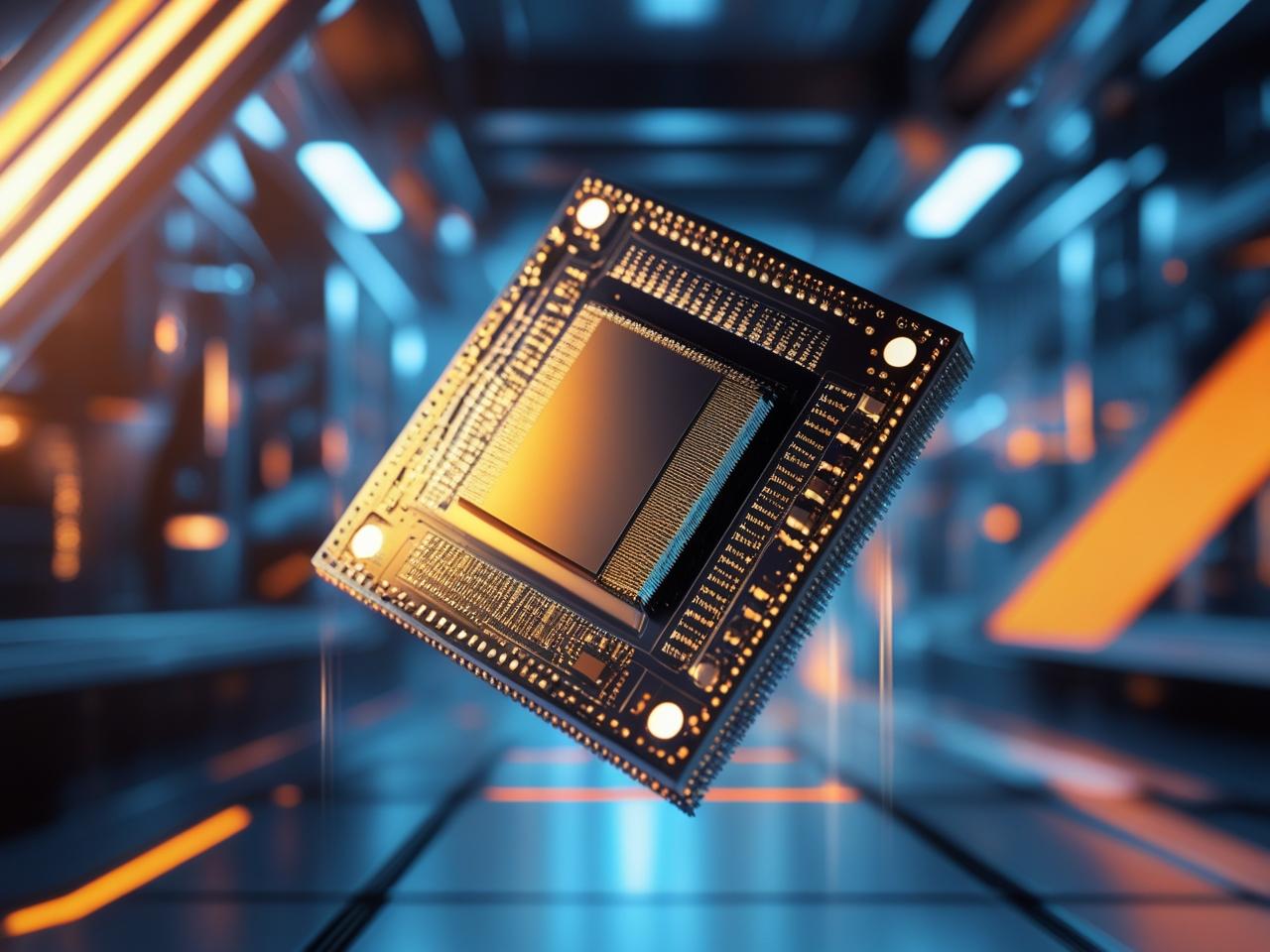
In a surprising twist, Nvidia just got U.S. government approval to resume exports of its H20 AI accelerator chips to China. The chips, specially modified to comply with U.S. export laws, are critical for:
For U.S. startups, this means one huge thing: hardware supply chains are opening up again.
⚙️ Why this matters for founders:
If you’re building an AI model, robotics solution, or real-time analytics platform—this move helps you breathe.
🧠 Innovation Ideas Founders Should Act On
The U.S. Innovation Surge 2025 isn’t about waitingit ’s about adapting now.
1. Start AI-Integrated Infrastructure Startups
Founders should think beyond apps and look at hardware-adjacent AI services:
These “AI-meets-infrastructure” ideas are heavily fundable in the current climate.
2. Make Your AI Products Globally Compliant
With Nvidia’s chip access returning in China, think about building cross-border compliant AI products:
This dual-market compliance will be attractive to VCs and strategic buyers.
3. Partner with Energy Giants on Green Innovation
Chevron and Exxon aren’t just oil—they’re now investing in clean hydrogen, battery storage, and nuclear fusion. Founders should explore:
Tap into their new R&D arms and become part of the transition economy.
4. Ride the Quantum Startup Wave
Quantum computing isn’t just theoretical anymore. With new federal incentives:
Startups in quantum education and SaaS will see growing demand by late 2025.
📈 The Startup Playbook: How to Leverage the Surge
| Action | Why It Works |
|---|---|
| Apply for new AI/energy grants | Direct pipeline to capital and visibility |
| Pitch to federal innovation funds | These funds now favor U.S.-aligned tech |
| Partner with chip suppliers | Hedge against future export bans |
| Localize your operations | Midwest and southern hubs are attracting talent fast |
🔗 Explore More
With $100 billion pouring into AI and energy, Nvidia’s greenlight for China chips, and open doors for infrastructure startups, American founders now have the momentum to build globally disruptive companies.
👉 Founders, this is the signal you’ve been waiting for. Now is the time to scale, partner, and pitch while the nation is listening.
Backers include Blackstone ($25B), Google ($25B), CoreWeave, Amazon, Chevron, and Exxon. Combined, these institutions are aligning with federal goals to outpace China in critical technologies.
What’s in it for startups?
This is not just corporate maneuvering it’s a startup goldmine:
🌐 Nvidia’s China Comeback: A Global Win for U.S. Founders
In a surprising twist, Nvidia just got U.S. government approval to resume exports of its H20 AI accelerator chips to China. The chips, specially modified to comply with U.S. export laws, are critical for:
For U.S. startups, this means one huge thing: hardware supply chains are opening up again.
⚙️ Why this matters for founders:
If you’re building an AI model, robotics solution, or real-time analytics platform—this move helps you breathe.
🧠 Innovation Ideas Founders Should Act On
The U.S. Innovation Surge 2025 isn’t about waitingit ’s about adapting now.
1. Start AI-Integrated Infrastructure Startups
Founders should think beyond apps and look at hardware-adjacent AI services:
These “AI-meets-infrastructure” ideas are heavily fundable in the current climate.
2. Make Your AI Products Globally Compliant
With Nvidia’s chip access returning in China, think about building cross-border compliant AI products:
This dual-market compliance will be attractive to VCs and strategic buyers.
3. Partner with Energy Giants on Green Innovation
Chevron and Exxon aren’t just oil—they’re now investing in clean hydrogen, battery storage, and nuclear fusion. Founders should explore:
Tap into their new R&D arms and become part of the transition economy.
4. Ride the Quantum Startup Wave
Quantum computing isn’t just theoretical anymore. With new federal incentives:
Startups in quantum education and SaaS will see growing demand by late 2025.
📈 The Startup Playbook: How to Leverage the Surge
| Action | Why It Works |
|---|---|
| Apply for new AI/energy grants | Direct pipeline to capital and visibility |
| Pitch to federal innovation funds | These funds now favor U.S.-aligned tech |
| Partner with chip suppliers | Hedge against future export bans |
| Localize your operations | Midwest and southern hubs are attracting talent fast |
🔗 Explore More
With $100 billion pouring into AI and energy, Nvidia’s greenlight for China chips, and open doors for infrastructure startups, American founders now have the momentum to build globally disruptive companies.
👉 Founders, this is the signal you’ve been waiting for. Now is the time to scale, partner, and pitch while the nation is listening.
Together, they signal something far larger: the U.S. is building a tech fortress with global reach and startups have a front-row seat.
🚀 $100 Billion Tech Push: A Nation-Level Commitment
The $100B announcement, led in part by former President Donald Trump and key federal agencies, is the biggest tech-focused capital injection in U.S. history. It’s designed to power:
Backers include Blackstone ($25B), Google ($25B), CoreWeave, Amazon, Chevron, and Exxon. Combined, these institutions are aligning with federal goals to outpace China in critical technologies.
What’s in it for startups?
This is not just corporate maneuvering it’s a startup goldmine:
🌐 Nvidia’s China Comeback: A Global Win for U.S. Founders
In a surprising twist, Nvidia just got U.S. government approval to resume exports of its H20 AI accelerator chips to China. The chips, specially modified to comply with U.S. export laws, are critical for:
For U.S. startups, this means one huge thing: hardware supply chains are opening up again.
⚙️ Why this matters for founders:
If you’re building an AI model, robotics solution, or real-time analytics platform—this move helps you breathe.
🧠 Innovation Ideas Founders Should Act On
The U.S. Innovation Surge 2025 isn’t about waitingit ’s about adapting now.
1. Start AI-Integrated Infrastructure Startups
Founders should think beyond apps and look at hardware-adjacent AI services:
These “AI-meets-infrastructure” ideas are heavily fundable in the current climate.
2. Make Your AI Products Globally Compliant
With Nvidia’s chip access returning in China, think about building cross-border compliant AI products:
This dual-market compliance will be attractive to VCs and strategic buyers.
3. Partner with Energy Giants on Green Innovation
Chevron and Exxon aren’t just oil—they’re now investing in clean hydrogen, battery storage, and nuclear fusion. Founders should explore:
Tap into their new R&D arms and become part of the transition economy.
4. Ride the Quantum Startup Wave
Quantum computing isn’t just theoretical anymore. With new federal incentives:
Startups in quantum education and SaaS will see growing demand by late 2025.
📈 The Startup Playbook: How to Leverage the Surge
| Action | Why It Works |
|---|---|
| Apply for new AI/energy grants | Direct pipeline to capital and visibility |
| Pitch to federal innovation funds | These funds now favor U.S.-aligned tech |
| Partner with chip suppliers | Hedge against future export bans |
| Localize your operations | Midwest and southern hubs are attracting talent fast |
🔗 Explore More
With $100 billion pouring into AI and energy, Nvidia’s greenlight for China chips, and open doors for infrastructure startups, American founders now have the momentum to build globally disruptive companies.
👉 Founders, this is the signal you’ve been waiting for. Now is the time to scale, partner, and pitch while the nation is listening.
The U.S. Innovation Surge 2025 isn’t just another headline it’s a blueprint for a new age of American tech dominance.
In the past week, two major shifts have made waves across the U.S. startup ecosystem:
Together, they signal something far larger: the U.S. is building a tech fortress with global reach and startups have a front-row seat.
🚀 $100 Billion Tech Push: A Nation-Level Commitment
The $100B announcement, led in part by former President Donald Trump and key federal agencies, is the biggest tech-focused capital injection in U.S. history. It’s designed to power:
Backers include Blackstone ($25B), Google ($25B), CoreWeave, Amazon, Chevron, and Exxon. Combined, these institutions are aligning with federal goals to outpace China in critical technologies.
What’s in it for startups?
This is not just corporate maneuvering it’s a startup goldmine:
🌐 Nvidia’s China Comeback: A Global Win for U.S. Founders
In a surprising twist, Nvidia just got U.S. government approval to resume exports of its H20 AI accelerator chips to China. The chips, specially modified to comply with U.S. export laws, are critical for:
For U.S. startups, this means one huge thing: hardware supply chains are opening up again.
⚙️ Why this matters for founders:
If you’re building an AI model, robotics solution, or real-time analytics platform—this move helps you breathe.
🧠 Innovation Ideas Founders Should Act On
The U.S. Innovation Surge 2025 isn’t about waitingit ’s about adapting now.
1. Start AI-Integrated Infrastructure Startups
Founders should think beyond apps and look at hardware-adjacent AI services:
These “AI-meets-infrastructure” ideas are heavily fundable in the current climate.
2. Make Your AI Products Globally Compliant
With Nvidia’s chip access returning in China, think about building cross-border compliant AI products:
This dual-market compliance will be attractive to VCs and strategic buyers.
3. Partner with Energy Giants on Green Innovation
Chevron and Exxon aren’t just oil—they’re now investing in clean hydrogen, battery storage, and nuclear fusion. Founders should explore:
Tap into their new R&D arms and become part of the transition economy.
4. Ride the Quantum Startup Wave
Quantum computing isn’t just theoretical anymore. With new federal incentives:
Startups in quantum education and SaaS will see growing demand by late 2025.
📈 The Startup Playbook: How to Leverage the Surge
| Action | Why It Works |
|---|---|
| Apply for new AI/energy grants | Direct pipeline to capital and visibility |
| Pitch to federal innovation funds | These funds now favor U.S.-aligned tech |
| Partner with chip suppliers | Hedge against future export bans |
| Localize your operations | Midwest and southern hubs are attracting talent fast |
🔗 Explore More
With $100 billion pouring into AI and energy, Nvidia’s greenlight for China chips, and open doors for infrastructure startups, American founders now have the momentum to build globally disruptive companies.
👉 Founders, this is the signal you’ve been waiting for. Now is the time to scale, partner, and pitch while the nation is listening.
Frequently Asked Questions
What is driving the $100 billion US innovation surge in 2025?
The $100B innovation surge is driven by a combination of federal investments through the CHIPS Act and Inflation Reduction Act, record private venture capital deployment in AI and deep tech, and reshoring of semiconductor and advanced manufacturing. Nvidia’s renewed access to China markets is also releasing pent-up demand that benefits the broader US chip and AI ecosystem.
How is Nvidia navigating its China comeback in 2025?
Nvidia has developed a series of export-compliant AI chips specifically for the Chinese market following US export restrictions on its highest-end H100 and A100 chips. These modified processors allow Nvidia to maintain commercial relationships with Chinese cloud providers and enterprises while remaining within regulatory guardrails.
What sectors are benefiting most from the US innovation surge?
AI infrastructure, semiconductor manufacturing, quantum computing, defence tech, and clean energy are the primary beneficiaries. Each sector is receiving a combination of federal funding, private capital, and demand pull from enterprise and government customers that is sustaining multi-year investment cycles.
How are startups participating in the US innovation surge of 2025?
Startups are capturing a growing share of innovation investment by building applications and tools on top of the AI infrastructure being deployed by large companies. They also benefit from government small business innovation research contracts and from large corporates actively acquiring or partnering with startups that solve specific technical problems.
What role does federal spending play in the US innovation ecosystem?
Federal spending is acting as a demand anchor and de-risking mechanism for private investment. CHIPS Act funding is pulling semiconductor fabs back to the US, Defence Department contracts are financing space and autonomy startups, and NSF grants are sustaining basic research pipelines that feed commercial innovation a decade later.
What risks could slow the US innovation surge?
Key risks include geopolitical escalation that disrupts supply chains, talent shortages in AI and semiconductor engineering, regulatory uncertainty around AI safety and data privacy, and the possibility that AI investment cycles produce hype without commensurate commercial returns — a dynamic that has triggered retrenchment in previous tech waves.
Related coverage: Microsoft and Nvidia Bet Big on AI-Powered PCs | US Startup Funding Rounds June 2026 | SpaceX Cursor Acquisition 2026