
- Hydrogen costs drop below $2/kg
- Most major U.S. hydrogen hubs fully operational
- Industrial hydrogen demand surges across steel, aviation, and manufacturing
- Hydrogen accounts for a significant share of national energy consumption
- U.S. becomes a global hydrogen exporter
- Zero-emission shipping and aviation become standard
- Production
- Storage
- Transportation
- Commercial deployment
- Hydrogen costs drop below $2/kg
- Most major U.S. hydrogen hubs fully operational
- Industrial hydrogen demand surges across steel, aviation, and manufacturing
- Hydrogen accounts for a significant share of national energy consumption
- U.S. becomes a global hydrogen exporter
- Zero-emission shipping and aviation become standard
- The need to cut emissions in heavy industry
- Energy storage demands as renewable power grows
- America’s push toward energy independence
- Production
- Storage
- Transportation
- Commercial deployment
- Hydrogen costs drop below $2/kg
- Most major U.S. hydrogen hubs fully operational
- Industrial hydrogen demand surges across steel, aviation, and manufacturing
- Hydrogen accounts for a significant share of national energy consumption
- U.S. becomes a global hydrogen exporter
- Zero-emission shipping and aviation become standard
By 2050
FAQs
1. Why is green hydrogen important for the U.S.?
2. Will green hydrogen reduce energy costs?
3. Can hydrogen power cars?
4. Is green hydrogen safe to store and transport?
5. Which industries will adopt hydrogen first?
Conclusion
The Future of Green Hydrogen is unfolding quickly in the U.S., driven by innovation, federal investment, and an urgent need for clean industrial energy. As startups scale and technologies mature, hydrogen is poised to become a national catalyst for clean growth, resilience, and economic opportunity.
Follow BestStartup US for the latest breakthroughs shaping America’s next generation of innovators.
Combined with the Inflation Reduction Act, the incentives are unmatched globally.
Private-Sector Momentum
Large corporations such as Amazon, bp, Shell, and NextEra are pouring significant funding into hydrogen infrastructure. Their goal is to build the commercial backbone needed to scale green hydrogen nationwide.
Startups Shaping The Future of Green Hydrogen
Electric Hydrogen
Electric Hydrogen builds ultra-efficient electrolyzers designed to reduce the cost of green hydrogen production at an industrial scale.
Plug Power
One of the most influential hydrogen companies in the U.S., Plug Power is leading the buildout of hydrogen refueling stations and large-scale production plants.
Ohmium
Ohmium produces modular electrolyzers suitable for distributed manufacturing facilities and data centers — a major step toward decentralized hydrogen generation.
H2U Technologies
This startup develops novel catalysts that drastically reduce the cost of producing hydrogen, accelerating adoption across multiple sectors.
ZeroAvia
ZeroAvia is redefining air travel with hydrogen-powered aviation engines aimed at cutting emissions from U.S. regional flights.
Infrastructure Growth Across the U.S.
Storage & Transport
Hydrogen requires specialized storage solutions, including cryogenic tanks and compression systems. Startups are innovating in materials science to improve capacity and safety.
Hydrogen Pipelines
Multiple states are now planning or upgrading pipeline networks dedicated to hydrogen — a key milestone for nationwide distribution.
Industrial Applications
Steel Manufacturing
Green hydrogen can replace coal in steelmaking, reducing emissions dramatically.
Shipping & Aviation
Hydrogen offers longer range and fast refueling, making it ideal for heavy-duty fleets and future aircraft.
Power Grid Storage
Hydrogen acts as long-duration energy storage, supporting grid reliability during renewable fluctuations.
Challenges Slowing Adoption
Cost Barriers
While prices are dropping, hydrogen production remains more expensive than fossil fuels. Economies of scale will continue reducing costs over time.
Safety Misconceptions
Hydrogen is safe when managed correctly, and modern systems include advanced detection and containment technology.
Technological Hurdles
Electrolyzer durability and efficiency continue to improve, but further innovation is needed for widespread industrial adoption.
Investment Trends
VC Funding
Hydrogen startups have attracted billions in venture capital over the past three years, with investors betting on large-scale decarbonization.
Utility Partnerships
Energy utilities are partnering with hydrogen innovators to blend green hydrogen into natural gas systems and future power plants.
Predictions for The Future of Green Hydrogen
By 2030
By 2050
FAQs
1. Why is green hydrogen important for the U.S.?
2. Will green hydrogen reduce energy costs?
3. Can hydrogen power cars?
4. Is green hydrogen safe to store and transport?
5. Which industries will adopt hydrogen first?
Conclusion
The Future of Green Hydrogen is unfolding quickly in the U.S., driven by innovation, federal investment, and an urgent need for clean industrial energy. As startups scale and technologies mature, hydrogen is poised to become a national catalyst for clean growth, resilience, and economic opportunity.
Follow BestStartup US for the latest breakthroughs shaping America’s next generation of innovators.
This combination of environmental, industrial, and economic forces makes The Future of Green Hydrogen a cornerstone of the U.S. sustainable energy roadmap.
What Is Green Hydrogen?
How Electrolysis Works
Electrolysis splits water into hydrogen and oxygen using electricity. If the electricity comes from renewable sources such as wind or solar, the hydrogen produced is called green hydrogen — fully carbon-free.
Renewable Energy + Hydrogen
Hydrogen enables renewables to go further by storing excess energy during peak times and releasing it when demand increases. This stabilizes the electric grid and reduces the need for fossil-fuel backup systems.
Market Landscape of U.S. Green Hydrogen
Federal Funding & Hydrogen Hubs
The Department of Energy (DOE) recently launched multibillion-dollar Hydrogen Hubs (H2Hubs) across the country. These hubs form the backbone of a national hydrogen ecosystem focused on:
Combined with the Inflation Reduction Act, the incentives are unmatched globally.
Private-Sector Momentum
Large corporations such as Amazon, bp, Shell, and NextEra are pouring significant funding into hydrogen infrastructure. Their goal is to build the commercial backbone needed to scale green hydrogen nationwide.
Startups Shaping The Future of Green Hydrogen
Electric Hydrogen
Electric Hydrogen builds ultra-efficient electrolyzers designed to reduce the cost of green hydrogen production at an industrial scale.
Plug Power
One of the most influential hydrogen companies in the U.S., Plug Power is leading the buildout of hydrogen refueling stations and large-scale production plants.
Ohmium
Ohmium produces modular electrolyzers suitable for distributed manufacturing facilities and data centers — a major step toward decentralized hydrogen generation.
H2U Technologies
This startup develops novel catalysts that drastically reduce the cost of producing hydrogen, accelerating adoption across multiple sectors.
ZeroAvia
ZeroAvia is redefining air travel with hydrogen-powered aviation engines aimed at cutting emissions from U.S. regional flights.
Infrastructure Growth Across the U.S.
Storage & Transport
Hydrogen requires specialized storage solutions, including cryogenic tanks and compression systems. Startups are innovating in materials science to improve capacity and safety.
Hydrogen Pipelines
Multiple states are now planning or upgrading pipeline networks dedicated to hydrogen — a key milestone for nationwide distribution.
Industrial Applications
Steel Manufacturing
Green hydrogen can replace coal in steelmaking, reducing emissions dramatically.
Shipping & Aviation
Hydrogen offers longer range and fast refueling, making it ideal for heavy-duty fleets and future aircraft.
Power Grid Storage
Hydrogen acts as long-duration energy storage, supporting grid reliability during renewable fluctuations.
Challenges Slowing Adoption
Cost Barriers
While prices are dropping, hydrogen production remains more expensive than fossil fuels. Economies of scale will continue reducing costs over time.
Safety Misconceptions
Hydrogen is safe when managed correctly, and modern systems include advanced detection and containment technology.
Technological Hurdles
Electrolyzer durability and efficiency continue to improve, but further innovation is needed for widespread industrial adoption.
Investment Trends
VC Funding
Hydrogen startups have attracted billions in venture capital over the past three years, with investors betting on large-scale decarbonization.
Utility Partnerships
Energy utilities are partnering with hydrogen innovators to blend green hydrogen into natural gas systems and future power plants.
Predictions for The Future of Green Hydrogen
By 2030
By 2050
FAQs
1. Why is green hydrogen important for the U.S.?
2. Will green hydrogen reduce energy costs?
3. Can hydrogen power cars?
4. Is green hydrogen safe to store and transport?
5. Which industries will adopt hydrogen first?
Conclusion
The Future of Green Hydrogen is unfolding quickly in the U.S., driven by innovation, federal investment, and an urgent need for clean industrial energy. As startups scale and technologies mature, hydrogen is poised to become a national catalyst for clean growth, resilience, and economic opportunity.
Follow BestStartup US for the latest breakthroughs shaping America’s next generation of innovators.
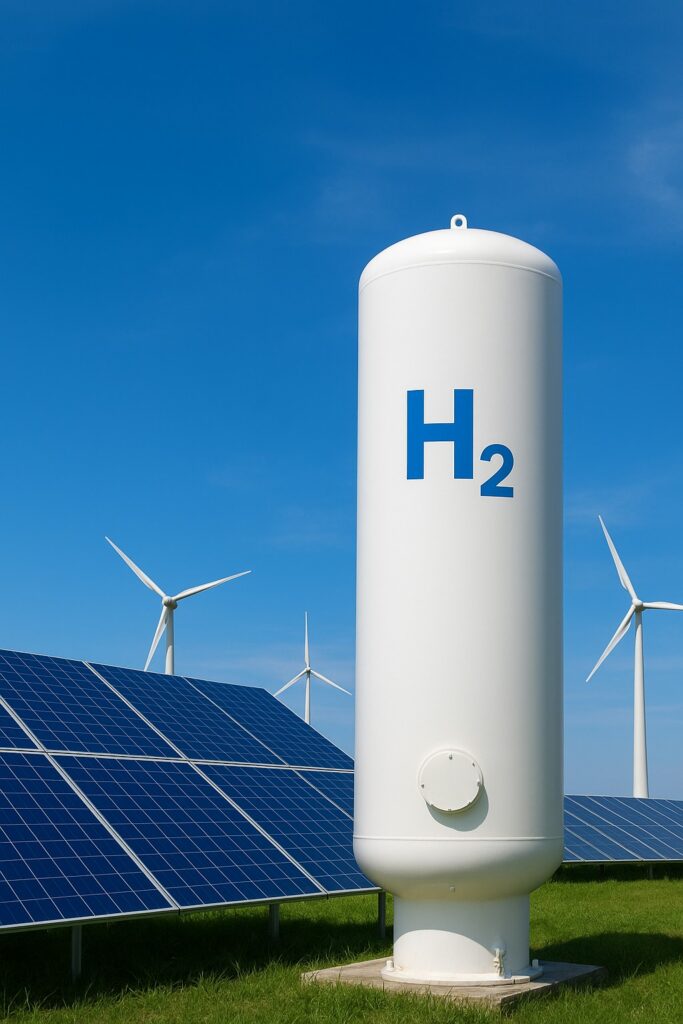
Green hydrogen offers a long-term pathway for reducing emissions while creating new industries and high-paying jobs. Its importance is rising for three major reasons:
This combination of environmental, industrial, and economic forces makes The Future of Green Hydrogen a cornerstone of the U.S. sustainable energy roadmap.
What Is Green Hydrogen?
How Electrolysis Works
Electrolysis splits water into hydrogen and oxygen using electricity. If the electricity comes from renewable sources such as wind or solar, the hydrogen produced is called green hydrogen — fully carbon-free.
Renewable Energy + Hydrogen
Hydrogen enables renewables to go further by storing excess energy during peak times and releasing it when demand increases. This stabilizes the electric grid and reduces the need for fossil-fuel backup systems.
Market Landscape of U.S. Green Hydrogen
Federal Funding & Hydrogen Hubs
The Department of Energy (DOE) recently launched multibillion-dollar Hydrogen Hubs (H2Hubs) across the country. These hubs form the backbone of a national hydrogen ecosystem focused on:
Combined with the Inflation Reduction Act, the incentives are unmatched globally.
Private-Sector Momentum
Large corporations such as Amazon, bp, Shell, and NextEra are pouring significant funding into hydrogen infrastructure. Their goal is to build the commercial backbone needed to scale green hydrogen nationwide.
Startups Shaping The Future of Green Hydrogen
Electric Hydrogen
Electric Hydrogen builds ultra-efficient electrolyzers designed to reduce the cost of green hydrogen production at an industrial scale.
Plug Power
One of the most influential hydrogen companies in the U.S., Plug Power is leading the buildout of hydrogen refueling stations and large-scale production plants.
Ohmium
Ohmium produces modular electrolyzers suitable for distributed manufacturing facilities and data centers — a major step toward decentralized hydrogen generation.
H2U Technologies
This startup develops novel catalysts that drastically reduce the cost of producing hydrogen, accelerating adoption across multiple sectors.
ZeroAvia
ZeroAvia is redefining air travel with hydrogen-powered aviation engines aimed at cutting emissions from U.S. regional flights.
Infrastructure Growth Across the U.S.
Storage & Transport
Hydrogen requires specialized storage solutions, including cryogenic tanks and compression systems. Startups are innovating in materials science to improve capacity and safety.
Hydrogen Pipelines
Multiple states are now planning or upgrading pipeline networks dedicated to hydrogen — a key milestone for nationwide distribution.
Industrial Applications
Steel Manufacturing
Green hydrogen can replace coal in steelmaking, reducing emissions dramatically.
Shipping & Aviation
Hydrogen offers longer range and fast refueling, making it ideal for heavy-duty fleets and future aircraft.
Power Grid Storage
Hydrogen acts as long-duration energy storage, supporting grid reliability during renewable fluctuations.
Challenges Slowing Adoption
Cost Barriers
While prices are dropping, hydrogen production remains more expensive than fossil fuels. Economies of scale will continue reducing costs over time.
Safety Misconceptions
Hydrogen is safe when managed correctly, and modern systems include advanced detection and containment technology.
Technological Hurdles
Electrolyzer durability and efficiency continue to improve, but further innovation is needed for widespread industrial adoption.
Investment Trends
VC Funding
Hydrogen startups have attracted billions in venture capital over the past three years, with investors betting on large-scale decarbonization.
Utility Partnerships
Energy utilities are partnering with hydrogen innovators to blend green hydrogen into natural gas systems and future power plants.
Predictions for The Future of Green Hydrogen
By 2030
By 2050
FAQs
1. Why is green hydrogen important for the U.S.?
2. Will green hydrogen reduce energy costs?
3. Can hydrogen power cars?
4. Is green hydrogen safe to store and transport?
5. Which industries will adopt hydrogen first?
Conclusion
The Future of Green Hydrogen is unfolding quickly in the U.S., driven by innovation, federal investment, and an urgent need for clean industrial energy. As startups scale and technologies mature, hydrogen is poised to become a national catalyst for clean growth, resilience, and economic opportunity.
Follow BestStartup US for the latest breakthroughs shaping America’s next generation of innovators.
The Future of Green Hydrogen is emerging as one of the most promising pillars of the U.S. cleanenergy strategy. As America accelerates toward net-zero goals, hydrogen made from renewable electricity is becoming a transformative force capable of decarbonizing sectors where batteries simply cannot keep up.
Green hydrogen is more than a technological trend — it represents a nationwide shift in how the U.S. produces, stores, and consumes energy. With federal incentives, startup innovation, and private-sector adoption moving at record speed, the U.S. is poised to lead the global hydrogen revolution.
Introduction to The Future of Green Hydrogen
Green hydrogen offers a long-term pathway for reducing emissions while creating new industries and high-paying jobs. Its importance is rising for three major reasons:
This combination of environmental, industrial, and economic forces makes The Future of Green Hydrogen a cornerstone of the U.S. sustainable energy roadmap.
What Is Green Hydrogen?
How Electrolysis Works
Electrolysis splits water into hydrogen and oxygen using electricity. If the electricity comes from renewable sources such as wind or solar, the hydrogen produced is called green hydrogen — fully carbon-free.
Renewable Energy + Hydrogen
Hydrogen enables renewables to go further by storing excess energy during peak times and releasing it when demand increases. This stabilizes the electric grid and reduces the need for fossil-fuel backup systems.
Market Landscape of U.S. Green Hydrogen
Federal Funding & Hydrogen Hubs
The Department of Energy (DOE) recently launched multibillion-dollar Hydrogen Hubs (H2Hubs) across the country. These hubs form the backbone of a national hydrogen ecosystem focused on:
Combined with the Inflation Reduction Act, the incentives are unmatched globally.
Private-Sector Momentum
Large corporations such as Amazon, bp, Shell, and NextEra are pouring significant funding into hydrogen infrastructure. Their goal is to build the commercial backbone needed to scale green hydrogen nationwide.
Startups Shaping The Future of Green Hydrogen
Electric Hydrogen
Electric Hydrogen builds ultra-efficient electrolyzers designed to reduce the cost of green hydrogen production at an industrial scale.
Plug Power
One of the most influential hydrogen companies in the U.S., Plug Power is leading the buildout of hydrogen refueling stations and large-scale production plants.
Ohmium
Ohmium produces modular electrolyzers suitable for distributed manufacturing facilities and data centers — a major step toward decentralized hydrogen generation.
H2U Technologies
This startup develops novel catalysts that drastically reduce the cost of producing hydrogen, accelerating adoption across multiple sectors.
ZeroAvia
ZeroAvia is redefining air travel with hydrogen-powered aviation engines aimed at cutting emissions from U.S. regional flights.
Infrastructure Growth Across the U.S.
Storage & Transport
Hydrogen requires specialized storage solutions, including cryogenic tanks and compression systems. Startups are innovating in materials science to improve capacity and safety.
Hydrogen Pipelines
Multiple states are now planning or upgrading pipeline networks dedicated to hydrogen — a key milestone for nationwide distribution.
Industrial Applications
Steel Manufacturing
Green hydrogen can replace coal in steelmaking, reducing emissions dramatically.
Shipping & Aviation
Hydrogen offers longer range and fast refueling, making it ideal for heavy-duty fleets and future aircraft.
Power Grid Storage
Hydrogen acts as long-duration energy storage, supporting grid reliability during renewable fluctuations.
Challenges Slowing Adoption
Cost Barriers
While prices are dropping, hydrogen production remains more expensive than fossil fuels. Economies of scale will continue reducing costs over time.
Safety Misconceptions
Hydrogen is safe when managed correctly, and modern systems include advanced detection and containment technology.
Technological Hurdles
Electrolyzer durability and efficiency continue to improve, but further innovation is needed for widespread industrial adoption.
Investment Trends
VC Funding
Hydrogen startups have attracted billions in venture capital over the past three years, with investors betting on large-scale decarbonization.
Utility Partnerships
Energy utilities are partnering with hydrogen innovators to blend green hydrogen into natural gas systems and future power plants.
Predictions for The Future of Green Hydrogen
By 2030
By 2050
FAQs
1. Why is green hydrogen important for the U.S.?
2. Will green hydrogen reduce energy costs?
3. Can hydrogen power cars?
4. Is green hydrogen safe to store and transport?
5. Which industries will adopt hydrogen first?
Conclusion
The Future of Green Hydrogen is unfolding quickly in the U.S., driven by innovation, federal investment, and an urgent need for clean industrial energy. As startups scale and technologies mature, hydrogen is poised to become a national catalyst for clean growth, resilience, and economic opportunity.
Follow BestStartup US for the latest breakthroughs shaping America’s next generation of innovators.
Frequently Asked Questions
What is green hydrogen and why is it important for the US energy transition?
Green hydrogen is hydrogen produced by using renewable electricity to split water molecules into hydrogen and oxygen via electrolysis — producing no carbon emissions in the process. It is important for the US energy transition because hydrogen can store large amounts of energy, decarbonise hard-to-electrify sectors including steel production, cement, shipping, and aviation, and provide long-duration energy storage for the grid. The US has set a target of $1 per kilogram green hydrogen production cost by 2031 (the ‘hydrogen shot’).
How does green hydrogen compare to grey and blue hydrogen?
Grey hydrogen is produced from natural gas via steam methane reforming, releasing large CO2 emissions — it currently accounts for over 95% of global hydrogen production. Blue hydrogen uses the same process but captures the CO2 (carbon capture and storage), reducing but not eliminating emissions. Green hydrogen uses renewable electricity and produces no carbon emissions. While green hydrogen is currently more expensive than grey, falling electrolyser costs and renewable electricity prices are rapidly closing the gap.
What is the current cost of green hydrogen and when will it be competitive?
Green hydrogen currently costs approximately $3.50–$8.00 per kilogram to produce in the US, compared to approximately $1.00–$2.00 per kilogram for grey hydrogen from natural gas. The US Department of Energy projects green hydrogen could reach $1 per kilogram by 2031 through electrolyser cost reductions, improved efficiency, and scale-up of renewable electricity. At that price point, green hydrogen becomes competitive with grey hydrogen in many applications without subsidies.
What are the main uses of green hydrogen in the US economy?
In the US, green hydrogen’s largest near-term applications are in industrial decarbonisation — particularly ammonia production for fertilisers (which currently uses large amounts of grey hydrogen), petroleum refining, steel manufacturing, and chemical production. Medium-term applications include heavy-duty trucking and shipping fuel, aviation via sustainable aviation fuel synthesis, and long-duration grid energy storage. Direct hydrogen fuel cell vehicles have a smaller role given battery electric vehicle competition in light-duty transport.
What federal programmes support green hydrogen development in the US?
The Inflation Reduction Act’s Clean Hydrogen Production Tax Credit (Section 45V) provides up to $3 per kilogram for green hydrogen meeting the lowest-emission threshold. The Bipartisan Infrastructure Law allocated $8 billion for Regional Clean Hydrogen Hubs (H2Hubs) across the country. The Department of Energy’s Hydrogen Shot programme coordinates R&D investment to achieve the $1/kg cost target. These programmes represent the largest federal investment in hydrogen technology in US history.
Which US states and regions are leading in green hydrogen development?
California leads US green hydrogen development given its abundant solar resources, strong climate policy, and existing hydrogen infrastructure from the fuel cell vehicle programme. Texas is emerging as a major hub leveraging cheap wind and solar power alongside existing petrochemical and pipeline infrastructure. The Pacific Northwest has advantages from low-cost hydropower. The Department of Energy’s H2Hubs programme is deliberately spreading investment across diverse regions including the Gulf Coast, Appalachia, and the Midwest to create a national hydrogen economy.
Related coverage: Heat Pump Economics Are Finally Competitive | Top US DNA Nanobots Startups: America’s Microscopic Revolution | US Startup Funding Rounds June 2026