


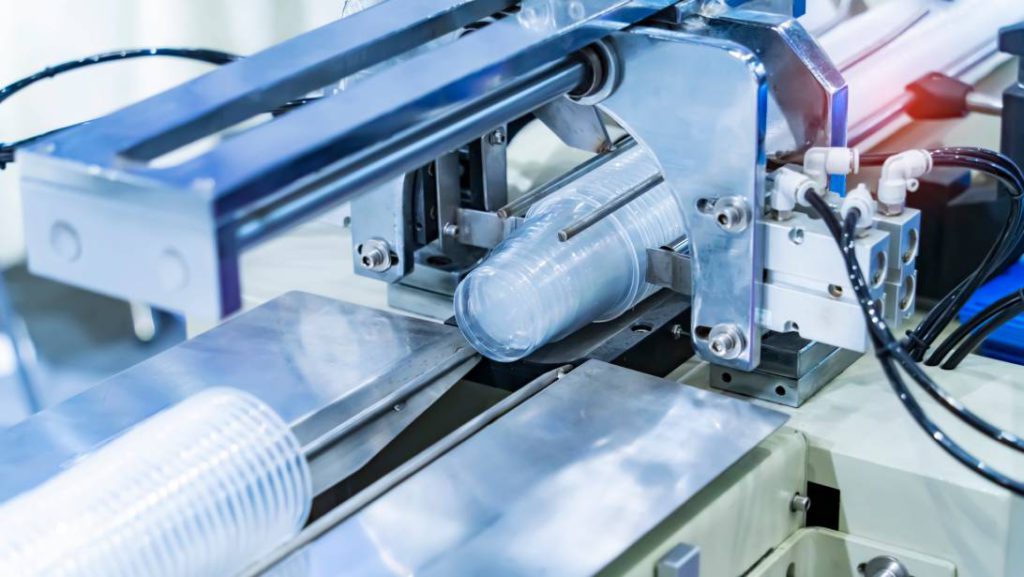
Plastic machining and manufacturing play pivotal roles across various sectors, from automotive to medical devices. The versatility of plastics in terms of performance, weight, and cost has made them integral to manufacturing. Working with these materials requires an approach that’s as flexible as they are. We’ll enter the domain of plastic machining and manufacturing and offer practical insights and best practices that can elevate your operations to artful levels of precision and efficiency.
Understanding Plastic Properties
One does not simply “mill” or “turn” plastic. The variety of plastic types have unique thermal, mechanical, and chemical properties. For instance, polymers like polyethylene, polypropylene, and polycarbonate have distinct physical properties that affect machining parameters like spindle speed, feed rate, and depth of cut. Some plastics are prone to heat softening, necessitating lower cutting speeds to avoid melting and tool wear.
Choosing the Right Tools and Equipment
Machining plastics is a delicate dance. Using the wrong tool can have catastrophic results, including part failure, tooling damage, and production downtime. The choice of cutting tool can significantly influence the outcome of your machined plastic parts. Some common examples include the following:
- End mills are ideal for slotting, profiling, and contouring in plastic. They typically consist of solid or diamond-coated carbide to resist wear and tear.
- Drill bits create precise holes and are available in various angles and materials. Diamond-coated bits offer increased durability for harder plastics.
- Circular saw blades are good for making straight cuts, while band saw blades are ideal for contour cutting of plastic sheets. They often have fine teeth to reduce chipping.
- Fly cutters are perfect for achieving smooth surfaces on flat plastic parts. Fly cutters cover a broad area in a single pass.
- Boring tools enlarge holes and achieve precise bore dimensions and finishes.
You should select each tool based on the requirements of the project and the properties of the plastic material.
Ensuring Quality and Consistency
Quality is non-negotiable, especially when lives and livelihoods depend on plastic parts in a wide range of industries. Precision is important in plastic machining, so manufacturers should establish stringent quality control measures. By using common checkpoints in the plastic machining process, manufacturers can develop a comprehensive quality assurance system that minimizes defects and material waste. This includes the initial material inspection, in-process checks, post-machining inspection, documentation and traceability, regular equipment calibration, and statistical process control (SPC).
Take Your Plastic Manufacturing to New Heights
Machining and manufacturing with plastics are complex processes. With these best practices, you’ll have the framework for delivering high-quality, precision-engineered plastic components that will exceed customer expectations. Refine your approach, and watch as your plastic manufacturing reaches new levels of success and customer satisfaction.